How to apply for remote jobs: from finding openings to passing the online interview
Remote work removes location as a barrier: you can work for a Jakarta company from Makassar, or for overseas clients from home. The flip side is that a single remote opening can attract hundreds of applicants from across the country. Recruiters therefore look for something more specific, not just technical skills but also proof that you can work independently without direct supervision.
 Resmi.ID Team · 6 min read ·
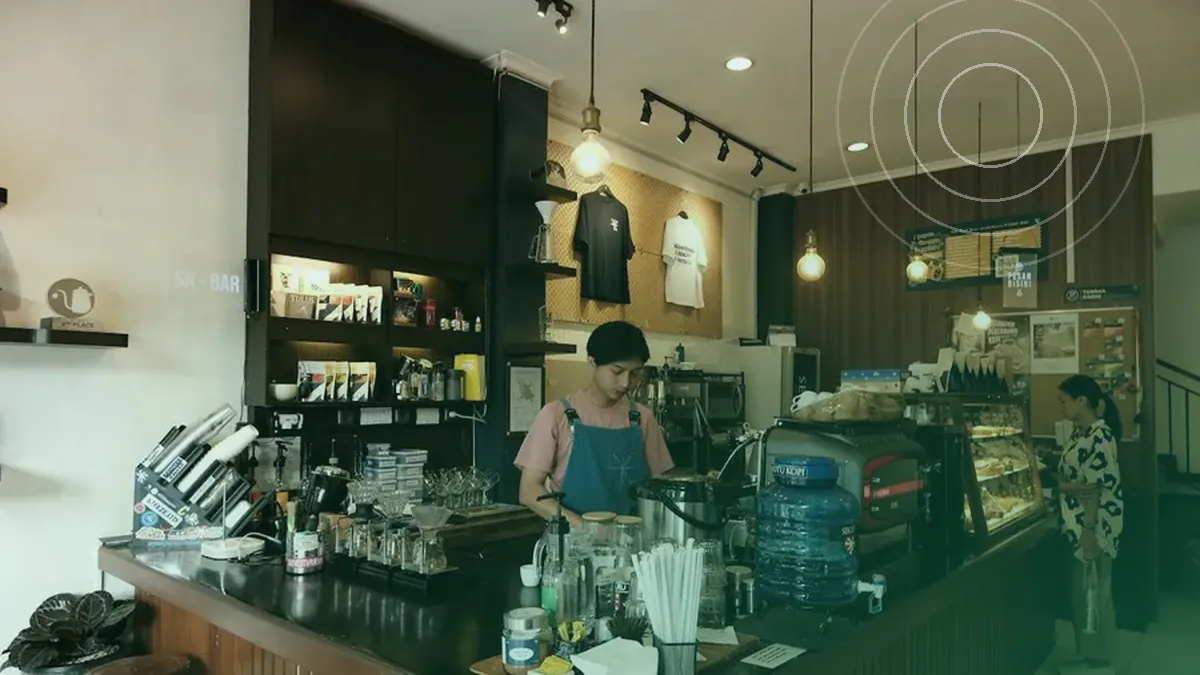 Photo: Syauqy Ayyash / Unsplash
This guide walks through applying for remote jobs step by step, from understanding the type of opening to handling the online interview. For a comparison of remote, hybrid, freelance and contract status and their tax implications, see our article on that topic.
First, understand the type of remote opening
The “remote” label does not always mean the same thing. Read the details before applying so you are not disappointed after being hired.
- 1Fully remoteAll work is done remotely, sometimes with in-person meetups a few times a year.
- 2Location-bound remoteYou may work from home but must live in a certain city or time zone, for example so you can come to the office when needed.
- 3HybridSome days in the office, some at home. Sometimes still labelled “remote” even though attendance is required.
- 4Project or freelanceYou are paid per job rather than as an employee, so benefits such as BPJS and THR usually do not apply automatically.
Search in the right places and filter early
Use keywords such as “remote”, “WFH”, “work from home” or “work from anywhere” on job portals, then check who posted the opening. On Resmi.ID Karir, companies whose business identity has been checked against their Business Identification Number (NIB) carry a Verified badge, and openings flagged as likely scams are held before they go live. You can also save searches and receive new openings via WhatsApp or email, so you do not have to check manually every day.
Tailor your CV for remote work
A CV for a remote role needs to answer the recruiter's unspoken question: can this person be trusted to work unsupervised? Show it with evidence, not claims.
- 1Write results, not duties“Resolved 40 support tickets a day with a 4.8 rating” is more convincing than “Handled customer complaints”.
- 2Mention remote experienceProjects with teams in other cities, online study or freelance work are all worth showing.
- 3List your toolsName the tools you genuinely know, such as Google Workspace, Trello, Notion, Slack, Zoom or Git.
- 4Link your portfolioWork samples that open directly are often stronger than a long list of skills.
Keep several CV versions for different kinds of roles. On Resmi.ID Karir you can store up to five CVs as PDFs, and once your profile is at least 70 percent complete you can use AI CV review to see which parts are still weak.
Write a cover letter that answers their needs
A cover letter for a remote role should be short and specific. Start with the position you are applying for, then two or three sentences on your most relevant results. Add one paragraph on how you work remotely: the hours you can commit to, how you report progress and the equipment you have. Avoid generic lines such as “I am a hard worker” without an example to back them up.
Prepare your equipment and workspace before you are called
Many companies ask about technical readiness early on. Make sure you have a decent laptop, a stable internet connection plus a backup (such as mobile data), a headset with a microphone and a reasonably quiet place for video calls. If you have limitations, for example frequent power cuts in your area, prepare a workaround and explain it honestly if asked.
Handle the online interview with confidence
Interviews for remote roles are almost always held over video. Test the meeting app, camera and microphone the day before and join five minutes early. Prepare concrete stories about a time you finished work without supervision, cleared up a miscommunication over chat, or prioritised when deadlines collided. On Resmi.ID Karir you can confirm attendance or request another time directly from the interview invitation, so no invitation slips through.
After applying: track and follow up
Keep a record of the openings you have applied to and the dates. Application status on Resmi.ID Karir can be tracked directly, and applications a company leaves unprocessed for a long time are closed automatically so you are not left waiting indefinitely. If there is no news after one to two weeks and the company lists a contact, send one polite follow-up. Meanwhile, keep applying elsewhere and do not pin your hopes on a single application.
Applying for remote work is more competitive, but applicants who show real work evidence, clear written communication and technical readiness stand out among hundreds of identical applications.